Why Do Some People Feel Philosophy Is Useless?
Why do some people feel philosophy is useless? I tried to see it from where they stand, and found they are already doing it.
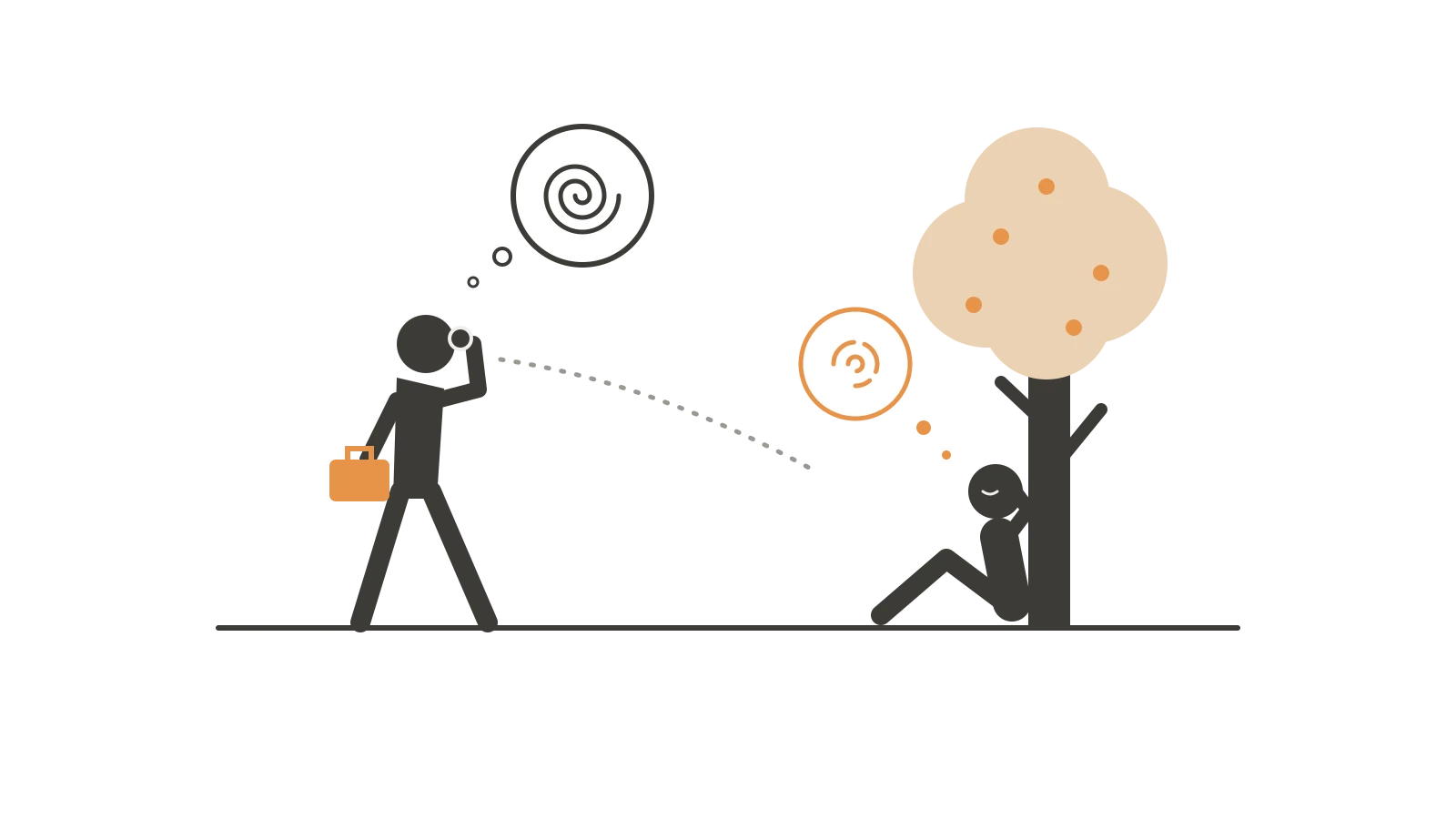
I have always wondered why some people hate philosophy or mock it. They aren't necessarily rejecting thinking. They are reacting to what they believe philosophy stands for, and I wanted to see what it looks like from where they stand.
Why does it look useless?
Ask someone "what is the nature of reality?" and they may think: I have rent due on Friday. I understand that. Philosophy deals with questions that don't have a measurable answer, so it can look cut off from real life.
There is also no agreed answer. In maths, if two people disagree about 2 + 2, one of them is wrong. In philosophy, two very intelligent people can build strong arguments for opposite positions. To someone watching from outside, that sounds like: what is the point if nobody can prove who is right?
Why does it make people uncomfortable?
Philosophy asks why you believe what you believe. It asks what makes an action right, whether free will exists, what makes a life meaningful. Those questions don't only examine ideas, they examine the person who holds them.
If I ask "why do we think this is morally wrong?", someone may hear "your morality is stupid." I never meant that, but that is how it can land. People don't enjoy having their assumptions questioned, especially when there is no easy answer.
Then there are the people who perform it. A friend says "I don't want pizza" and the philosopher says "but what is desire?" If someone really behaves like that, mocking them is fair. The trouble is that the mockery spreads to everyone who is interested in philosophy.
What does the person who mocks it believe?
Someone says: "Only things with a practical use are worth studying." That is a claim about what makes something valuable, which is a philosophical claim. Someone else says: "We should only believe what science can demonstrate." That is a claim about what counts as knowledge.
So a person who mocks philosophy is already doing it. You can reject the academic version, but you still carry assumptions about reality, knowledge, morality and meaning. You just never looked at them.
Rejecting philosophy is already a philosophical position.
The man who hates philosophers
Recently I met a man who said something like this: I hate philosophers, they make life complicated, life should be lived, not analysed.
I don't think he is wrong to want that. Some people prefer to experience life directly instead of taking it apart. But philosophy doesn't have to mean analysing everything. For me it means now and then asking why I believe something, value something, or do something.
What counts as productive?
Some people think sitting idle for two hours is a waste of time, and doing some random work that pays is productive. The same people can scroll for hours and not call that a waste.
So their definition is: productive means producing something outside you that can be measured, mostly money. From there, philosophy looks useless, because its output isn't money or an object. But why is money-producing work valuable in the first place? That question is itself philosophical.
Being busy is not the same as being productive.
A person can spend twelve hours working, scrolling, commuting and consuming information and never once ask what they are actually doing with their life. Sitting silently for two hours while the mind jumps around is not reflection either. I don't think the answer is constant thinking. It is thinking on purpose, and then acting on purpose.
What happened to it on the way here?
Plato and Aristotle lived where public debate and discussion were part of education. Their ideas travelled through teachers and students, schools, manuscripts, translations and generations of scholars. Even then it was not open to everyone. The leisure and education they had were not available to women, enslaved people and many others.
Today an idea travels as a quote, an image, some music, a caption and a repost. A long argument becomes one sentence on Instagram. Social media is very good at spreading ideas and very bad at keeping their context.
I see people put a quote from Nietzsche or Marcus Aurelius in their story. Ask what it means or why they posted it, and some of them feel embarrassed, because they don't know. They liked how it looked, or how it made them look. That is philosophy used as an aesthetic, with no reasoning behind it. Maybe that is another reason it gets mocked.
Do we even have the time?
Maybe the ancient philosophers could think deeply because they had leisure, or at least a settled life. Most of us are caught in work, money, responsibilities and phones. Many people may go through their whole life without spending ten minutes on "who am I?"
I'm not saying this to lecture anyone, and I'm not talking about myself. I am asking about people in general.
I don't think the goal is to turn everybody into a philosopher. Something smaller seems more realistic: stop, notice, think, act. After work, instead of reaching for the phone, sit for ten minutes with nothing on. Then ask three things:
That is already philosophy, even if the person never calls it that.
There is one mistake to avoid. Reflection should not become one more productivity task.
Work. Rest. Think. Play. Talk. Read. Sleep. Repeat.
What I still don't know
People can see the performance of philosophy very easily. The quotes, the big words, the friend who turns pizza into a lecture, all of it is visible. The actual thinking happens inside, and nobody can watch it.
I don't know how to show the inside part to someone who has only ever seen the outside. If that man had seen it, would he still say life shouldn't be analysed? I can't say.